
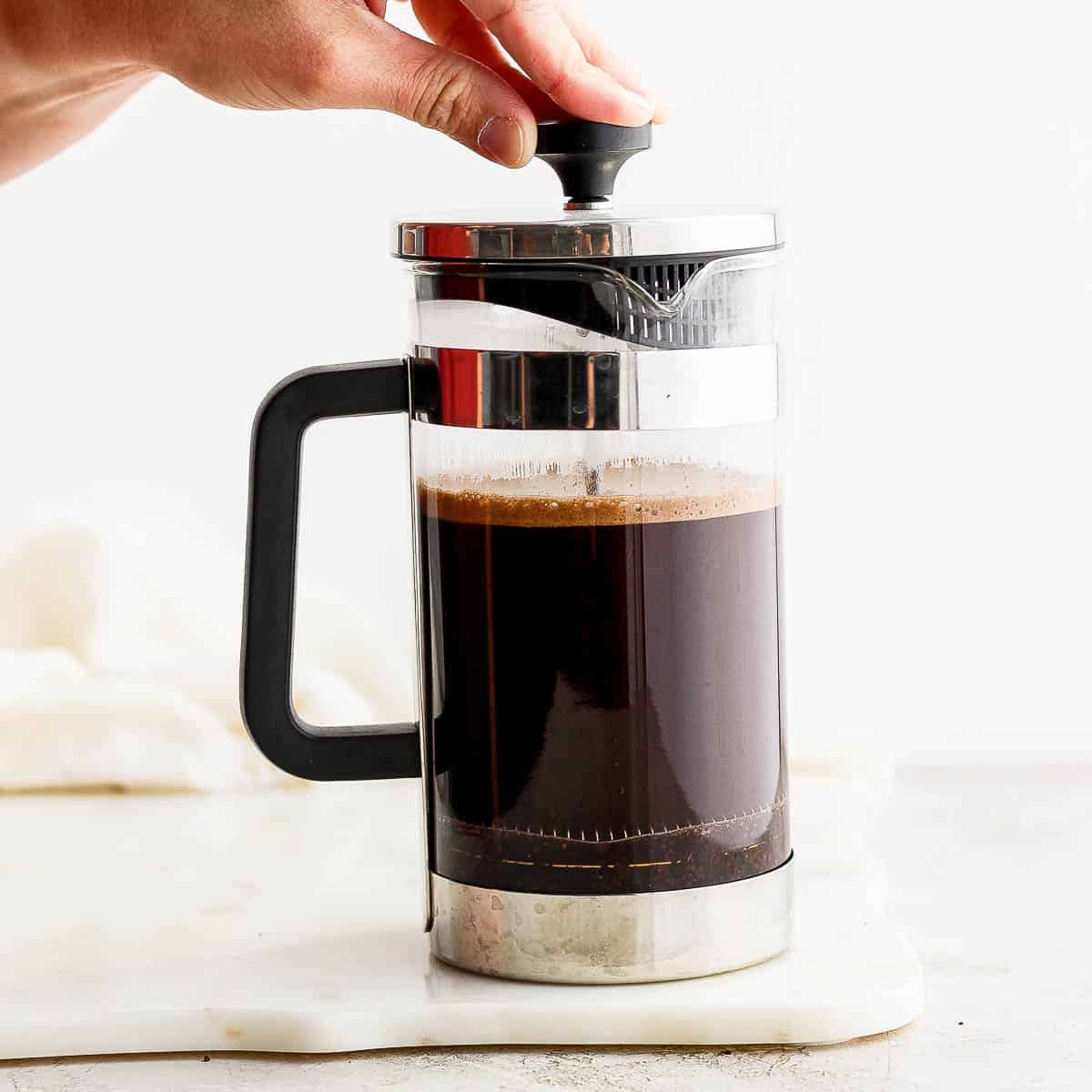
The French press, also known as a press pot or plunger pot, is a popular and simple method of brewing coffee. It has been around for over 100 years and remains a popular choice for coffee enthusiasts around the world. In this post, we will explore the history, technique, and advantages of using a French press to make coffee.
History of the French Press
The French press was invented in France in the mid-19th century. It was originally known as a "cafetière à piston" or "coffee plunger" in English. The design of the French press has remained relatively unchanged since its invention, with the basic components consisting of a cylindrical glass or stainless steel beaker, a plunger, and a filter.
The French press became popular in the 1950s and 60s, particularly in Europe and Australia. It then spread to the United States and other parts of the world, becoming a favorite method of coffee brewing for many coffee lovers.
How to Use a French Press
Using a French press is relatively simple, and the process can be broken down into a few easy steps:
Grind your coffee beans. The grind should be coarse, similar to sea salt.
Add your coffee grounds to the French press. The amount of coffee used will depend on the size of your French press and your personal preference, but a general rule of thumb is to use 1 tablespoon of coffee per 4 ounces of water.
Boil water and let it sit for 30 seconds to 1 minute, allowing it to cool slightly. The ideal temperature for French press coffee is between 195-205°F.
Pour the hot water over the coffee grounds and stir to ensure that all the grounds are fully saturated.
Place the plunger on top of the French press and let the coffee steep for 4-5 minutes.
Slowly press the plunger down, separating the coffee from the grounds.
Pour the coffee into your favorite mug and enjoy!
Advantages of Using a French Press
Flavor: French press coffee is known for its rich and bold flavor. The coarser grind of the coffee allows for a slower extraction process, resulting in a more complex and flavorful cup of coffee.
Control: With a French press, you have complete control over the brewing process. You can adjust the amount of coffee, water temperature, and steeping time to suit your personal taste.
Affordability: French presses are relatively inexpensive and can be found at most kitchen supply stores or online retailers.
Eco-Friendly: French presses require no paper filters, making them a more environmentally-friendly option compared to other brewing methods.
Convenience: French presses are easy to use and require no electricity, making them a convenient option for camping trips or when you don't have access to a coffee maker.
Tips for Using a French Press
Use fresh, high-quality coffee beans for the best results.
Grind your coffee beans immediately before brewing to ensure maximum freshness.
Experiment with different coffee-to-water ratios and steeping times to find the perfect cup of coffee for your taste.
After pressing the plunger down, pour the coffee into a separate container to prevent over-extraction and bitterness.
Clean your French press thoroughly after each use to prevent buildup of coffee oils and grounds.
Conclusion
The French press is a classic and versatile method of brewing coffee. Its simplicity, affordability, and rich flavor make it a popular choice for coffee lovers around the world. Whether you are a seasoned coffee enthusiast or just getting started, the French press is definitely worth trying. With a bit of practice and experimentation, you may find that the French press becomes your go-to method for brewing a perfect cup of coffee


0 Комментарии