
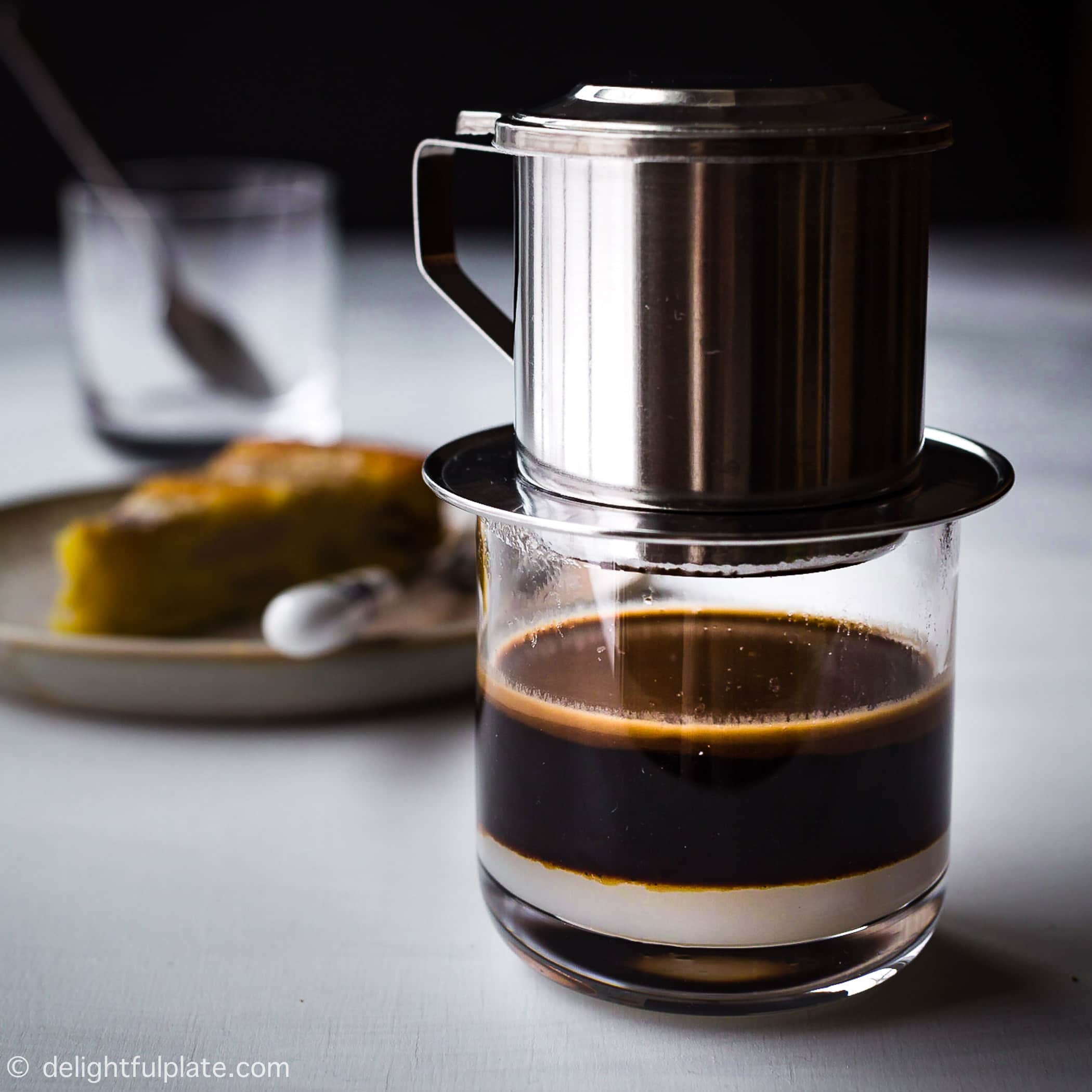
Vietnamese coffee is a unique and delicious way to enjoy coffee. It has gained popularity in recent years, with coffee shops and home enthusiasts alike experimenting with different techniques and flavor profiles. In this post, we will explore the history, technique, and advantages of using the Vietnamese method to make coffee.
History of Vietnamese Coffee
Coffee was first introduced to Vietnam in the 1800s during the French colonization period. The French brought coffee beans to Vietnam, and coffee quickly became a popular drink among the Vietnamese people. However, the French preferred to drink their coffee with milk, which was not a common ingredient in Vietnam at the time.
The Vietnamese adapted the French coffee-drinking culture by using sweetened condensed milk in place of regular milk. This method created a creamy and sweet coffee drink that was perfect for the hot and humid climate of Vietnam. This unique way of drinking coffee became known as "ca phe sua da," which translates to "coffee with milk and ice."
How to Make Vietnamese Coffee
Making Vietnamese coffee is relatively simple, and the process can be broken down into a few easy steps:
Choose your coffee. Vietnamese coffee is usually made using robusta beans, which have a strong and earthy flavor. However, you can also use arabica beans for a milder taste.
Prepare your equipment. Vietnamese coffee is traditionally made using a phin filter, which is a small metal filter that sits on top of a cup or glass. The filter has three parts: a base, a perforated plate, and a press.
Add your coffee. Place 1-2 tablespoons of coffee into the phin filter.
Add hot water. Pour a small amount of hot water into the phin filter, just enough to wet the coffee grounds. Let it sit for 30 seconds to allow the coffee to bloom.
Add sweetened condensed milk. Place 1-2 tablespoons of sweetened condensed milk into the bottom of a glass or cup.
Place the phin filter on top of the glass or cup, and add more hot water. Slowly pour hot water over the coffee grounds until the phin filter is full.
Allow the coffee to drip through the filter into the glass or cup. This process can take anywhere from 5-10 minutes, depending on the strength of your coffee.
Stir the coffee and sweetened condensed milk together, and add ice if desired.
Advantages of Using Vietnamese Coffee
Unique Flavor: Vietnamese coffee has a unique flavor profile, with earthy and sweet notes from the robusta beans and sweetened condensed milk.
Convenience: Vietnamese coffee can be made in a phin filter, which is a portable and convenient way to brew coffee. It is perfect for travel or for those who don't have access to a full coffee setup.
Versatility: Vietnamese coffee can be enjoyed hot or cold, and it can be customized with different amounts of coffee, sweetened condensed milk, and water to suit your taste preferences.
Health Benefits: Vietnamese coffee is rich in antioxidants, and the use of sweetened condensed milk can provide a source of calcium and protein.
Sustainable: Vietnamese coffee is traditionally made using robusta beans, which are more sustainable and environmentally-friendly than other coffee varieties.
Tips for Making Vietnamese Coffee
Use high-quality, freshly roasted coffee beans for the best flavor.
Use a phin filter for the most authentic Vietnamese coffee experience.
Experiment with different coffee-to-water ratios, sweetened condensed milk amounts, and brewing times to find your perfect cup of coffee.
Use filtered water to improve the overall taste of the coffee.
Add flavors such as vanilla, cinnamon, or chocolate to your Vietnamese coffee for a unique twist.


0 Комментарии